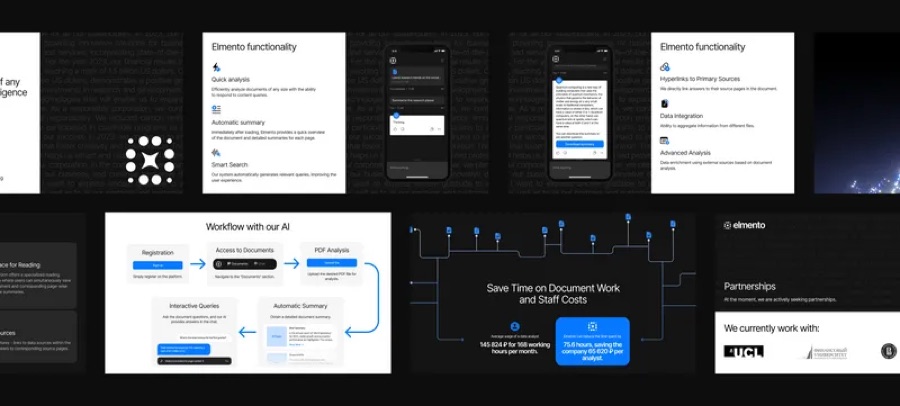
Applied AI in a studio is less dramatic than it sounds. It rarely replaces a designer; more often it removes the slow parts around the work so that more time goes into decisions.
Where it helps
AI is most useful in wide, early exploration and in repetitive production tasks. It can generate rough variations, draft copy for layouts, and speed up routine asset work.
In each case, a person still decides what is good enough and what fits the brand.
Where it does not
Positioning, taste, and trade-offs remain human work. A tool can offer many options, but it cannot know which one a client will be proud of next year.
Treating generated output as finished work is the fastest way to lose consistency.
AI widens the options. Design is still the act of choosing.
How we work with it
We use AI inside an existing process, not as a separate step. Every output goes through the same review as any other draft.
Clients always know where it was used, and final files are checked by hand before they ship.
- Use it for exploration and repetitive tasks.
- Keep human review on every output.
- Be open with clients about where it is used.
- Check final assets by hand.